Majority of Primary Care Providers Recognize Importance of Family Caregivers in Patient Outcomes
Majority of Primary Care Providers Recognize Importance of Family Caregivers in Patient Outcomes
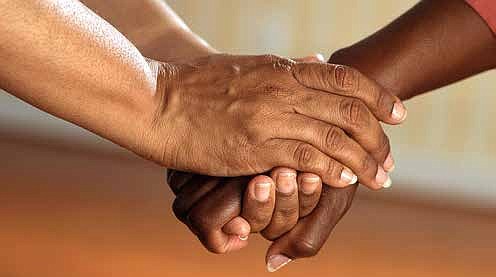
Primary care providers agree, almost unanimously, that family caregivers play a vital role in patient care and in better patient outcomes, according to a new survey by AARP Research.
However, providers say that time constraints and not knowing who or if there is a family caregiver, prevent them from working with family caregivers for more of their patients.
“Today, forty million Americans are caring for aging parents, spouses and other loved ones, and close to half of them are responsible for medical tasks like injections and wound care,” said AARP Executive Vice President and Chief Advocacy & Engagement Officer Nancy LeaMond. “Delivering more treatment on an outpatient basis means that family caregivers are critical members of patient care teams. The entire health care system – from providers to hospitals to insurers – must recognize family caregivers’ critical role and understand that teaming up with them can improve health outcomes and quality of life for both patients and family caregivers.”
AARP Research conducted a survey of 400 primary care physicians, nurse practitioners and physician assistants to understand their perceptions and interactions with family caregivers, their knowledge of available caregiver resources and potential barriers to working with them.
Key Findings
Nearly all primary care providers (97 percent) said that family caregivers play an important part in patient care. They reported that sharing patient information with caregivers leads to better patient outcomes, higher patient and caregiver satisfaction and lower hospital readmission rates. The survey found that most provider-family caregiver discussions involve instructions on managing medications,
performing medical and nursing tasks, and arranging transportation, meals and other services.
Barriers to Family Caregiver Interaction
Health care providers gave the following top reasons for not interacting with more family caregivers:
Patients had multiple caregivers
Not aware of caregiver identity
*Fluctuations in caregiver involvement
*Too time consuming
Providers said that lack of time is also a key barrier for nurses and receptionists in working with family caregivers.
“Primary Care Providers Experiences with Family Caregivers Survey” is available at www. aarp.org/caregivinghealthprovidersurvey.
Additional Resources:
- AARP’s Prepare to Care: A Resource Guide for Families available for free at www.aarp.org/ caregiving/prepare-to-care-planning-guide
*AARP Family Caregiving Resource Center at www.aarp.org/caregiving
Latest Stories
- Early Voting for Suburban Cook County Voters Begins October 7 at Six Locations, Expands To 56 Sites October 19
- OPERATION MINCEMEAT: A NEW MUSICAL WILL PLAY BROADWAY IN CHICAGO’S CIBC THEATRE
- New Chicago News Weekly Poll Finds Pritzker Up 20 Points, Democratic Candidates Leading Statewide Races
- Free Payment Plan Calculator now live online to help property owners spread out late tax payments and avoid tax sale
- BREAKING GLASS PICTURES TO RELEASE ISAIAH RUSSELL'S HORROR-THRILLER CAMP NIGHT OCTOBER 13
Latest Podcast
An Educator School Closure Prospective