As pink ribbons come down, keep paying attention to your breast health
Op-Ed
As pink ribbons come down, keep paying attention to your
breast health
Don’t wait for a lump: Routine screening, knowing your body
and family conversations save lives
By Dr. Maesha Twyner
Every October, pink ribbons go up on storefronts, jerseys, and coffee cups across America. By the end of this week, most of them will come down. Breast cancer does not take the rest of the year off, and neither should we.
As a board-certified OB-GYN, I spend much of my day talking with patients about their health. One common misconception I hear is a lump being the only warning sign of breast cancer. A lump matters, absolutely. It is not the whole story, however, and waiting for one to appear is no plan.
The best way to lower your risk of dying from breast cancer is detecting it long before you ever feel a symptom. Routine screening makes this possible. The U.S. Preventive Services Task Force recommends women at average risk get a mammogram every other year starting at age 40 and continuing through age 74. Many women choose annual screening, and most insurers must cover annual mammograms beginning at 40. Your doctor can help choose a schedule fitting your personal health history.
Screening also happens in the exam room. Many women think of their annual visit strictly as "the Pap smear," but a well-woman exam includes a comprehensive clinical breast exam. Examining a patient involves looking at skin texture and symmetry, checking for nipple changes, and feeling lymph nodes under the arms. Crucially, each visit offers an opportunity to show patients what normal feels like for them.
You can also take action at home without medical expertise by simply knowing your baseline. Every so often, stand in front of a mirror and look closely. Notice if one breast appears larger or different in shape than before. Pay attention to skin dimpling, thickening, altered texture, unexplained itching, redness, or tenderness along the sides of your breasts and under your arms.
Notice a change? You do not have to diagnose it. Finding answers is my job. Come in for an evaluation, even with a normal mammogram result from a month or two ago. A negative screening result should never cause us to ignore a new physical change, regardless of age, size, or shape.
This rule applies to men, too. Male breast cancer is rare, often linked to an inherited genetic variation, but men have breast tissue and can develop the disease. Any man noticing a lump, skin change, or nipple discharge should alert his primary care doctor immediately.
Urgency around this work remains personal for many families I serve. The American Cancer Society estimates about 42,140 women in the United States will die of breast cancer this year. Burden varies significantly across communities. Black women face the highest breast cancer mortality rate of any racial or ethnic group, roughly 40% more likely to die from the disease than white women despite a slightly lower overall incidence. Prioritizing early detection and equitable care remains one of our most powerful tools to close this gap.
Finally, consider a conversation many families avoid: sharing a cancer diagnosis. Keeping medical news private is an understandable instinct, yet your diagnosis offers vital health information for sisters, daughters, sons, parents, and cousins.
Hereditary cancer testing becomes more accessible every day, making knowledge of your family tree vital. A relative carrying an inherited gene variant or receiving a breast cancer diagnosis may qualify family members for earlier screenings, specialized diagnostics, or genetic counseling. Documented family history helps ensure insurance coverage for higher-level tests. Speaking openly gives loved ones a fair chance to catch cancer early or prevent it altogether.
As Breast Cancer Awareness Month ends, please make three simple commitments: schedule your well-woman exam and stay current on mammograms, pay attention to your body to notice subtle changes early, and talk openly with your family about cancer history across generations.
The ribbons will come down this week. Habits saving lives must stay.
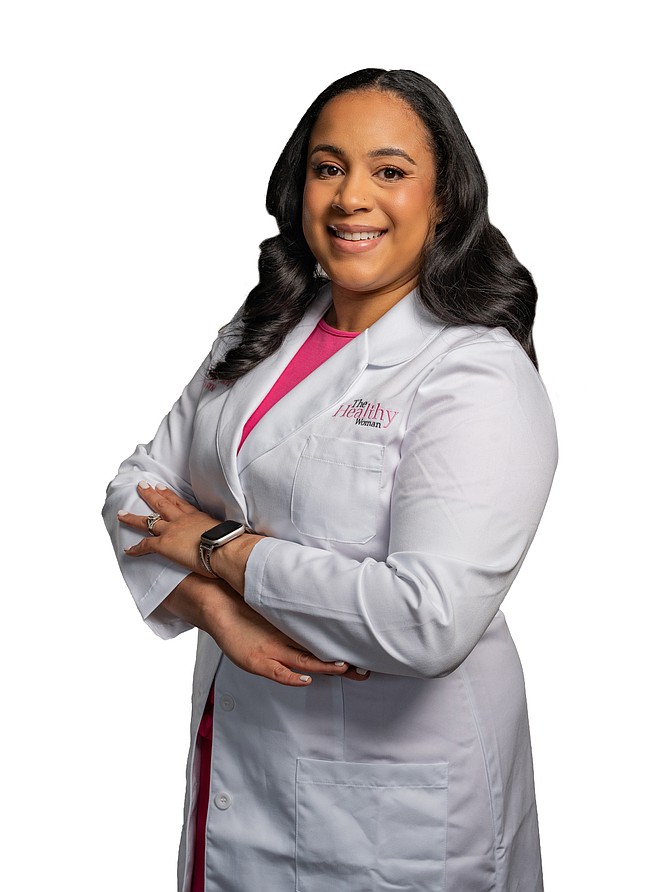
Dr. Maesha Twyner, MD, MPH, is a board-certified OB-GYN dedicated to patient-centered women’s healthcare at The Healthy Woman OB-GYN in Conyers, Her background in public health shapes her commitment to early detection, genetic risk education, and closing gaps in maternal and preventative care.
Latest Stories
- As pink ribbons come down, keep paying attention to your breast health
- RE: Hospitalization of Calumet City Mayor and Illinois State Representative Thaddeus M. Jones
- BUSINESSMAN ANTHONY McCASKILL FILES NOMINATING PETITIONS IN RUN FOR HARVEY MAYOR
- EBONY NAMES 2026 POWER 100 HONOREE COURT FEATURING BRANDY, BYRON ALLEN, FLAU'JAE JOHNSON, KEITH LEE, LENA WAITHE AND VICTOR GLOVER
- NY Attorney General Letitia James Stood Her Ground. Now It's Voters' Turn.
Latest Podcast
Election Education