They Deserve No Less

They Deserve No Less
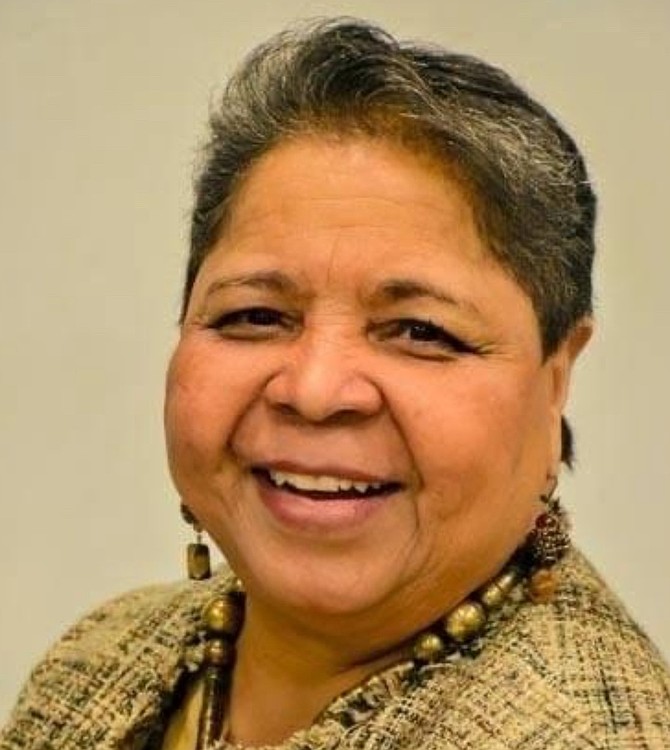
Brenda A. Sheriff, CSA
One of the perplexing situations a family may face is realizing that a loved one is changing and how they should address the situation. Perhaps the loved one is becoming more forgetful, having difficulty making decisions, repeating the same questions, becoming confused about familiar things, or behaving in ways that seem unlike them. The first thought may be frightening: Could this be dementia?
Before reaching that conclusion, remember that occasional forgetfulness can be a normal part of aging. Dementia is different. It involves changes in memory, reasoning, judgment, behavior, or the ability to manage everyday life. There are also medical conditions that can cause confusion or memory problems, including medication side effects, infections, vitamin deficiencies, depression, sleep problems, thyroid disorders, and other conditions that may be treatable.
For that reason, family members and friends should not attempt to make the diagnosis themselves. What they can do is recognize meaningful changes and help their loved one obtain a medical evaluation.
There is a difference between occasionally forgetting where you place your keys and no longer remembering what the keys are used for. Missing a bill once may happen to anyone. Repeatedly failing to pay bills that a person previously managed without difficulty may deserve attention. Other warning signs may include getting lost in familiar places, difficulty following instructions, repeating questions within a short period, unusual problems handling money, forgetting appointments, or changes in personality and judgment.
If you notice these changes, resist the temptation to confront the person by saying, “I think you have dementia.” That statement can immediately create fear, anger, embarrassment, or denial. A gentler approach is best. As we know, it’s not what we say, but how we say it that matters. Imagine how you might feel if someone suddenly suggested that you were losing control of your mind or your independence.
A better approach is to begin with concern rather than accusation.
You might say that you have noticed they seem more tired, forgetful, or overwhelmed lately and that you would feel better if they had a checkup. The goal is not to prove that something is wrong. The goal is to open the door to getting help.
Whenever possible, include the person in decisions concerning their life. Do not begin talking around them, making plans behind their back, or treating them as though they are no longer capable simply because you are concerned. A person experiencing memory changes is still an adult with feelings, opinions, preferences, and dignity.
Listen carefully. Sometimes the person has already noticed the changes and is frightened by them. They may be covering their mistakes, avoiding certain activities, or withdrawing socially because they are embarrassed. A little patience and kindness can make an enormous difference.
It is also helpful to quietly observe what is actually happening. Are bills being paid? Are medications being taken correctly? Is the person eating regularly? Is the home reasonably maintained? Are they still driving safely? Have they become vulnerable to scams or unusual financial decisions?
These observations can be useful when speaking with a physician. Write down specific examples rather than simply saying, “Her memory is getting worse.” A doctor can better evaluate a statement such as, “She has asked me the same question five times during one afternoon,” or, “He gets lost driving home from the barber shop which he has gone to for years.”
If a diagnosis of dementia is eventually made, remember that the diagnosis is not the end of your loved ones life. Many people continue to enjoy family, friendships, music, hobbies, church, travel, laughter, and meaningful activities for years. Encourage them to continue in activities they have enjoyed over the years. Life may change, but it should not suddenly become meaningless.
Families should also begin planning early, while their loved one can still participate fully in decisions concerning them. This may include discussing healthcare wishes, powers of attorney, finances, living arrangements, transportation, home safety, and who will assist if additional help becomes necessary.
These conversations are not about taking control away. Proper planning can actually help preserve their independence longer.
Should the condition progress, family members should also recognize that caregiving can become emotionally and physically demanding. No one should feel that loving someone means taking on the full responsibilities of caring for a loved one alone. Other relatives, friends, healthcare professionals, community organizations, support groups, and respite services may all become part of the circle of care.
Most importantly, remember the person behind the condition. They are still the parent who raised you, the spouse who shared your life, the sibling who grew up beside you, the neighbor who helped you, or the friend whose company you have enjoyed for years.
They may eventually forget certain names, places, or events. They may need more patience than they once did. They may even reach a point when they cannot fully express what they are feeling.
But they can still recognize kindness.
They can still feel respect.
They can still experience comfort, fear, affection, loneliness, and joy.
When someone we love begins to struggle with memory or thinking, our responsibility is not merely to identify what may be happening. It is to help them move through it with as much dignity, security, compassion, and independence as possible.
After all they mean so much to us, they deserve no less.
THIS WEEK'S QUIZ: Name two of the most common signs of dementia?
Answer to Last Week's Quiz: At 73 most retirement accounts mandate that you receive distributions?
For Questions or Help: 773-817-0601 basheriff1@gmail.com
Disclaimer: The illustrations and examples presented in this column are not, nor are they intended to be, legal, financial, tax, insurance, or other licensed professional advice. Readers should consult the licensed professional of their choice regarding their individual circumstances.
Latest Stories
- Bally’s Chicago Marks Three Years with $30,000 in Donations to Local Nonprofits
- The public is invited to celebrate the grand reopening of the newly renovated Malcolm X College West Campus and Danny K. Davis Community Center
- While Black Families Pay More for Power, Some Attorneys General Fight to Save High-Cost Coal
- Rotary Clubs Unite for the World’s Largest Polio Walk on World Polio Day
- The Inner Circle acknowledges Asia Alexus Alexander as a Pinnacle Professional of The Year
Latest Podcast
Memories of being a Preachers Kid