Prattling of An Old Woman

Prattling of An Old Woman
Part One: The Foundation We Must Build
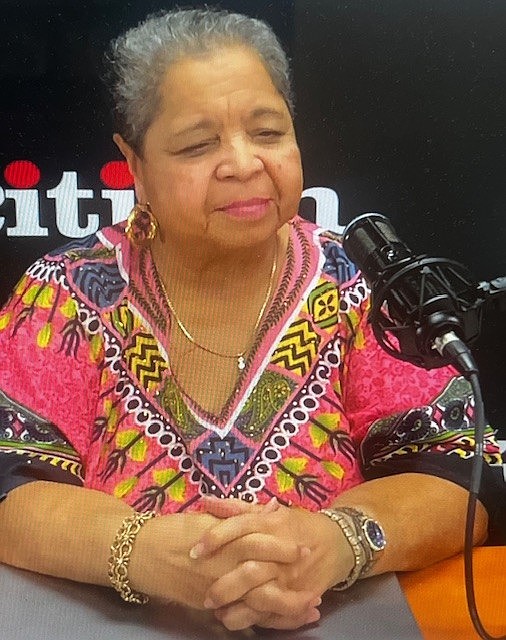
By Brenda “Bren” Sheriff, CSA
For generations, we Black Americans have survived obstacles that were never accidental. Political exclusion, economic inequality, health disparities, struggling schools, unstable housing, and social fragmentation have been with us for centuries. What we are experiencing now did not emerge overnight. Our ancestors encountered and endured these same conditions for generations. However, the policies, practices, and systems that we as a people developed over the generations to survive—and often thrive—now seem forgotten.
I have a treasure trove of old sayings, a legacy from my parents. The one that comes to mind now is, “If you want to have what other folks have, you must do what other folks do.” The one advantage that older folks have over youth is the history we have lived, which allows us to compare “now” with the “past.” The strength and accuracy of our perspectives can only be measured by time. Yes, “only time will tell” how accurate our perspectives are. Let the record show that history will bear out the accuracy of the prattling of this old woman.
From my perspective, history also proves something equally important: every major gain achieved by Black Americans came through organization, education, ownership, discipline, strategic alliances, and long-term planning.
The question before us is not whether the problems exist. The question is whether we are prepared to continue building practical solutions strong enough to outlast them.
Mainstream and social media focus almost entirely on presidential elections while ignoring the offices that most directly affect our daily lives. School boards, judges, various elected and appointed commissions, and state, county, and city officials shape housing, policing, education, business development, public health, and public safety.
Our communities must increase voter participation in local elections, recruit qualified candidates, and create leadership pipelines for younger generations. Churches, civic groups, fraternities, sororities, labor unions, professional associations, and neighborhood organizations should sponsor civic and candidate training programs, public policy workshops, and candidate forums to create an informed voting population.
Political influence also requires economic leverage. Communities that own and control businesses, property, and investment capital are the “squeaking wheel that gets the grease,” receiving greater political attention because they are “paying the cost of being the boss”—influencing employment, tax revenue, and economic development in their communities.
One of the most effective ways to overcome economic inequality in our community is through patronage of Black-owned businesses. Ownership alone will not create lasting wealth in our communities; those businesses need our support, and we need them to provide top competitive services and products in return for our dollars.
We need to get our priorities straight, focusing on applying our money to appreciating assets. Homeownership, land acquisition, business development, insurance protection, retirement savings, and investment education must become priorities discussed openly within our families and communities.
Far too many of our families still lose homes, savings, and generational assets because there is no estate plan. Wills, trusts, beneficiary designations, and powers of attorney should no longer be viewed as subjects only for the wealthy. Without forethought and planning, “the poorer will get poorer.”
We possess enormous spending power. Redirecting even a modest percentage of our spending toward Black-owned businesses, community banks, and cooperative ventures will strengthen local employment and neighborhood stability.
“What we don’t know about, we can’t bring about.” We need to begin financial literacy training early. Our children should understand budgeting, credit, debt, investing, taxes, and entrepreneurship before graduating high school, beginning no later than the third grade.
All the money in the world is meaningless without good health. Health disparities continue to impact us at disproportionate rates. Especially hypertension, diabetes, stroke, kidney disease, maternal mortality, and untreated mental health conditions remain serious concerns in our communities.
Too often, people delay care because of cost, fear, mistrust, or lack of information. Many of our health conditions can be lessened with annual physicals and early treatment, screenings, nutritional awareness, exercise, and mental health support. Medical care is not a luxury; it is a survival strategy that can help us live longer, healthier, and possibly happier lives. “There ain’t nothin’ to it, but to do it.”
Politics play heavily in access to healthcare. When our communities connect voting power to advocacy power, many of the health disparities that exist will be lessened—with more clinics, mobile healthcare services, culturally sensitive providers, and mental health outreach in underserved areas. Then our voting shall not be in vain.
Our places of worship can also play a major role by hosting health fairs, caregiver support groups, wellness seminars, and fitness initiatives.
Healthy communities are more productive, financially stable, and resilient. And as a hint to elected officials: healthy folks vote.
In Part Two, next week we will turn to the pillars of education, housing stability, and social accountability—and explore how, together, we can move from reacting to our challenges to actively building the future our communities deserve.
THIS WEEK’S QUIZ: Which avoids probate, a will or trust?
Answer to last week’s quiz: No, in Illinois you are not automatically entitled to 50% of your spouse’s inheritance.
For Questions or Help: 773-817-0601 or basheriff1@gmail.com
Disclaimer: The illustrations presented in this column are not, nor are they intended to be, legal, financial, or any other licensed professional advice, you should contact the licensed professional of your choice for advice on your individual situation.
Latest Stories
- Aetna Better Health® of Illinois hosts statewide Style & Smile Barbershop Takeover
- CHICAGOANS AND THE STEPPIN WORLD MOURNS THE PASSING OF DJ SAM CHATMAN
- Clerk’s Office Expands Early Voting to 56 Locations in Suburban Cook County
- Department on Aging to Assist Older Adults During Medicare Open Enrollment Period
- Make Your Vote Count
Latest Podcast
Election Education