Finding Meaning and Connection During the Holidays with Alzheimer’s
Finding Meaning and Connection During the Holidays with Alzheimer’s
The holidays are often a time of joy, connection, and shared memories, but they can also bring added stress, disappointment, or sadness. For individuals living with Alzheimer’s disease or another form of dementia, the season may heighten feelings of loss as familiar traditions and abilities change. Caregivers, too, may feel overwhelmed as they try to balance long-standing holiday customs with caregiving responsibilities and safety concerns.
With thoughtful planning, flexibility, and support, families can still find meaningful ways to enjoy the holidays together.
One of the most important steps caregivers can take is to adjust expectations both their own and others’. You do not need to recreate every tradition or host large gatherings to make the holidays meaningful. Smaller, quieter celebrations may feel more manageable and comfortable for everyone involved.
Communicating openly with family and friends ahead of time can help set realistic expectations. Consider arranging a group conversation by phone, video call, email, or messaging app to discuss holiday plans and explain your caregiving situation. Let others know what you can and cannot reasonably manage, and don’t hesitate to ask for help.
It’s natural to feel a sense of loss when stepping back from roles you once held, such as preparing a signature holiday dish or hosting events. Try to view these changes as opportunities for others to step in and create new traditions. Giving yourself permission to do less can help protect your physical, mental, and emotional health.
Also consider the timing of celebrations. Some people living with Alzheimer’s experience increased confusion or agitation in the evening, known as sundowning. Hosting gatherings earlier in the day may help reduce stress and allow your loved one to participate more comfortably.
If gathering in person isn’t possible, technology can offer meaningful ways to stay connected. Video calls through platforms like Zoom or Skype can help bridge the distance, especially when calls are structured to reduce confusion. Simple activities such as sharing photos, singing seasonal songs, or playing a trivia game can encourage engagement.
Families can also record and share special moments, like children opening gifts, or send personalized “video holiday cards.” Planning a virtual cooking or baking session, watching a favorite holiday movie together, or scheduling regular phone calls can help maintain connection and reduce feelings of isolation.
If your loved one lives in a long-term care community or has difficulty using technology, ask a caregiver or staff member for assistance. Even a brief phone call can provide comfort and a sense of togetherness.
The holidays often bring together relatives and friends who may not have seen your loved one in some time. Changes in memory, communication, or behavior can be surprising or difficult for others to understand. Sharing information in advance can help prevent misunderstandings and foster patience and compassion.
Let people know that changes they may notice are caused by the disease and not the person. Encourage loved ones to communicate calmly, avoid correcting or interrupting, and allow extra time for responses. If communication becomes difficult, responding to tone and emotion rather than words can be reassuring.
Some caregivers find it helpful to share updates through a group email or letter that explains current changes and offers guidance on how others can help create a positive experience. Resources on communicating with someone living with dementia can also be shared to support understanding.
Caregiving during the holidays can be especially challenging, but support is always available. The Alzheimer’s Association offers a 24/7 Helpline (800.272.3900), providing free, confidential support day or night. No question is too big or too small.
For ongoing updates, resources, and inspiration, subscribing to the Alzheimer’s Association’s E-News (www.alz.org/e-news) can help you stay informed and supported throughout the year.
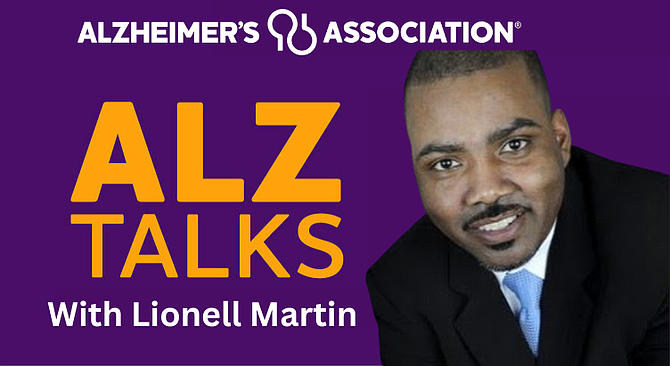
Lionell Martin, Alzheimer’s Association Illinois Chapter, Phone: 773.593.4211
Email: lrmartin@alz.org
Latest Stories
- HARD ROCK CASINO NORTHERN INDIANA DONATES $15,000 TO SOJOURNER TRUTH HOUSE
- South Suburban College Men’s Basketball Wins Midwest Region 4B District Championship; Advances to NJCAA National Tournament
- City of Gary Announces Major Donation from Hard Rock Casino Northern Indiana to Support New Gary Animal Care Facility
- RAVINIA FESTIVAL ANNOUNCES ITS MILESTONE 2026 SEASON, FEATURING THE INAUGURATION OF THE UPDATED AND REDESIGNED HUNTER PAVILION
- Chicago Teachers Union Members Vote to Join National Day of “No School, No Work, No Shopping” on May 1st
Latest Podcast
Reverse Mortgages