Be Ye Ever So Prepared…
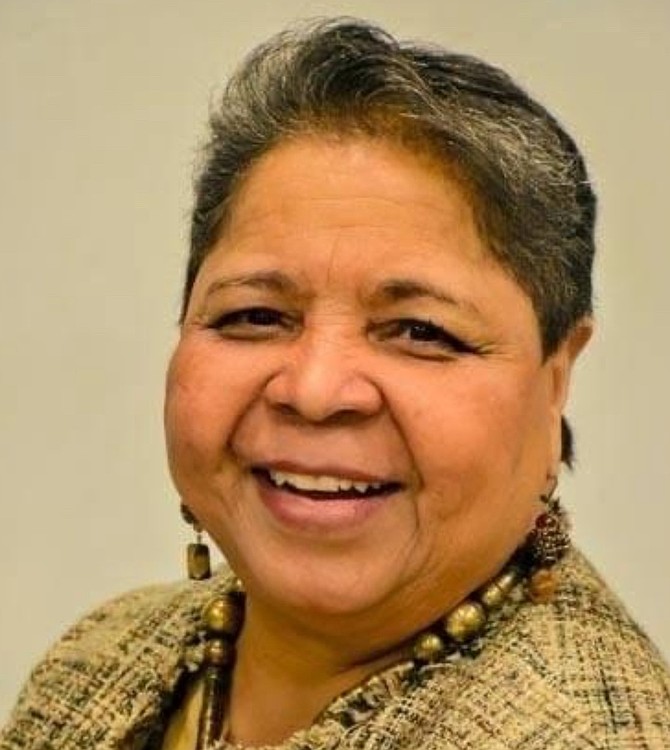

Scripture reminds us that life is uncertain and that tomorrow is not promised. Still, nothing prepares a parent for the sorrow of losing a child. That pain is often magnified when the child who dies was also the trustee, executor, or decision-maker in the parent’s estate plan—the very person relied upon for care and protection in later years. In such moments, grief is frequently compounded by confusion and unanswered questions, especially when no backup plan exists.
This is not a failure of planning or of faith. It is a reminder that even the best plans must sometimes be revisited when life changes in ways we never imagined.
Last year, during the holiday season, my cousin died suddenly of a massive heart attack on Christmas Eve, leaving his 102-year-old mother without her primary caregiver. Tragic as this loss was, he had taken steps in advance to ensure his mother would remain safe and cared for. Because of those preparations, she was able to stay in her home, surrounded by familiar comforts—and we are now looking forward to celebrating her 103rd birthday in the new year.
This was an extraordinary situation. Because of his own health concerns, my cousin allowed me to work with him ahead of time to put long-term plans in place for both his and his mother’s care. Today, his mother—still spunky at 102—sings her son’s praises for loving her enough to make sure everything was in order.
Such situations are rare. More often, parents are the ones who make estate plans, quietly assuming their children will outlive them and carry out their wishes. But when a child named as trustee, executor, or agent predeceases a parent, that assumption collapses—and so can the effectiveness of the plan.
A trust without a living trustee cannot be managed.
An estate without an executor invites court intervention.
A plan without alternates leaves loved ones vulnerable.
When no provisions are in place, the law will step in—but it will do so without knowing your heart, your family dynamics, or your faith values.
Ecclesiastes reminds us that there is a season for everything: a time to mourn and a time to act. After the fog of grief begins to lift, reviewing—or establishing—an estate plan becomes an act of stewardship.
This process is not about dwelling on loss. It is about ensuring that what is entrusted to you—your resources, your home, and your legacy—is handled according to your wishes.
A Good Stewardship Checklist
If a child named in your estate plan has passed away, prayerfully consider the following:
✔ Trustees and Executors
- Is the deceased child named as trustee or executor?
- Have successor or backup decision-makers been clearly identified?
✔ Powers of Attorney
- Does your financial or health care power of attorney rely on someone who is no longer living?
- Have you named alternates who understand your values and wishes?
✔ Beneficiary Designations
- Are insurance policies, retirement accounts, and bank accounts still aligned with your intentions?
- Do those designations reflect your family’s current reality?
✔ Distribution Instructions
- If a child predeceased you, does their share pass to grandchildren—or elsewhere—by design or by default?
- Is that outcome consistent with your wishes?
✔ Communication and Peacekeeping
- Have you shared updates with family to prevent confusion or conflict later?
- Have you put clarity on paper rather than leaving loved ones to guess?
“Let all things be done decently and in order” applies just as much to estate planning as it does to church life.
Many parents assume the court will simply “do the right thing,” or that other children will automatically step into vacant roles. Unfortunately, this is often not the case.
Courts appoint strangers.
Wills do not override beneficiary forms.
Silence creates division where clarity could have brought peace.
An outdated plan does not announce itself—it reveals its weakness at the very moment families are most vulnerable.
Revisiting your estate plan after losing a child is not a betrayal of their memory. It is an act of love for those still walking beside you. It is stewardship, wisdom, and preparation rooted in faith—not fear.
If your plan has not been reviewed since a major loss, consider this a gentle nudge—not of urgency, but of grace – knowing - be ye ever so prepared.
My best to you and yours, Merry Christmas!
Bren Sheriff, CSA
THIS WEEK’S QUIZ : Why does estate planning require more than trusting that “my children will handle it”?
Answer to last week’s quiz: A signed Medical Power of Attorney is required by the hospital if they deem their patient incapable of making their own medical decisions.
For Questions or Help: 773-817-0601 or basheriff1@gmail.com
Disclaimer: The illustrations presented in this column are not, nor are they intended to be, legal, financial, or any other licensed professional advice, you should contact the licensed professional of your choice for advice on your individual situation.
Latest Stories
- HARD ROCK CASINO NORTHERN INDIANA DONATES $15,000 TO SOJOURNER TRUTH HOUSE
- South Suburban College Men’s Basketball Wins Midwest Region 4B District Championship; Advances to NJCAA National Tournament
- City of Gary Announces Major Donation from Hard Rock Casino Northern Indiana to Support New Gary Animal Care Facility
- RAVINIA FESTIVAL ANNOUNCES ITS MILESTONE 2026 SEASON, FEATURING THE INAUGURATION OF THE UPDATED AND REDESIGNED HUNTER PAVILION
- Chicago Teachers Union Members Vote to Join National Day of “No School, No Work, No Shopping” on May 1st
Latest Podcast
Reverse Mortgages