As We Prepare to Lay Rev. Jackson to Rest, I’m Thinking About Words That Build Coalitions
As We Prepare to Lay Rev. Jackson to Rest,
I’m Thinking About Words That Build Coalitions
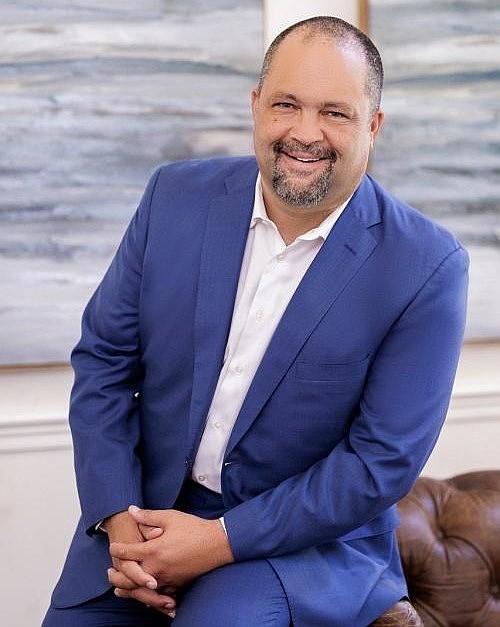
By Ben Jealous
Across the country — from South Carolina to the South Side of Chicago — we are celebrating the life of Rev. Jesse Jackson. This weekend, he will finally be laid to rest.
As we funeralize Reverend Jackson and reflect on what he gave us, I find myself thinking not only about his courage, but about his strategy — and about the power of words to build or break coalitions.
On Saturday, I will stand with my son — who carries Reverend Jackson’s last name as his first. We named him Jackson in no small part because of the Reverend’s importance to our people and to my own life. There were family reasons too. But it was his insistence that we build something broader than grievance — that we unite across lines others tried to harden — that made that name feel like a blessing to pass on.
It was his 1988 campaign that first pulled me into organizing. The Rainbow Coalition wasn’t poetry. It was strategy. It was a recognition that racism is the oldest political wedge in American history — used again and again to divide working people so none of us are strong enough to demand more for our children.
People sometimes call me a bridge. They mean that I am a Black civil rights leader with a white father. They mean I grew up rooted in both working-class and middle-class communities — Black and white — learning how to sit in rooms where folks didn’t look alike or vote alike and still search for common ground.
The truth is, I was raised by bridges.
My father grew up in overwhelmingly white Maine. His father — my grandfather — was a white doctor in Portland who made house calls in the city’s small Black community when few others would. Most of his patients were white, and he also served as the factory doctor in Biddeford. But there was a current in that family: serve your fellow human beings. Recognize common need. Be part of common solutions.
My father joined the civil rights movement in Maine more than a decade before he married my mother. He later supported Reverend Jackson’s campaigns in ’84 and ’88. And for decades, he worked with thousands of men — mostly white — helping them confront trauma, break cycles of abuse and rediscover empathy and accountability.
Those men were not caricatures. Many were crushed when factories closed and industrial America hollowed out. Many struggled with addiction. Many carried untreated trauma from childhood. My father sat with their pain without denying the systems that shaped them.
My mother was a bridge of a different kind — Black, Southern and fearless. Born into a family with generations active in the NAACP, she joined a lawsuit at 12 to integrate her local all-white girls’ high school. She spent summers helping desegregate churches in Petersburg, Virginia. Later, she co-authored Combined Destinies, exploring how racism against Black people has also wounded white people in their own lived lives.
She taught me that racism distorts everyone it touches — though not equally.
So when my white dad says we should use the phrase “white advantage” instead of “white privilege,” I listen.
Because he has seen what words can do in a room.
Say “white privilege,” and too often you trigger a litany: “My grandfather worked in a mill.” “My mother cleaned houses.” “We were poor.” In a nation built literally by the underdogs of multiple nations — and by the underdogs within our own — people hear that word and feel their family’s suffering erased.
That’s not usually what people mean when they say it. But it is often what many hear.
“White advantage,” by contrast, is harder to argue with. It does not deny hardship. It does not pretend white communities have been spared deindustrialization, opioid addiction or rising suicide rates. It simply names a measurable tilt in the system.
Researchers have shown that identical résumés get different responses depending on the name at the top. That white applicants with criminal records can receive more callbacks than Black applicants with clean ones. That even when family income is similar, outcomes diverge.
That’s not about whether your life was easy. It’s about how the system sorts us.
Reverend Jackson understood this better than anyone. The Rainbow Coalition was never about denying white suffering. It was about refusing to let racism weaponize it. Racism keeps working communities weak by keeping us divided across what has historically been the most powerful line of division in this country — race — preventing working people, from union halls to churches, from our big cities to our small towns, from coming together in the interest of all our children.
If a word shuts down conversation before it begins, we should be wise enough to reconsider it — not to soften the truth, but to widen the coalition that can act on it.
As we prepare to lay Rev. Jackson to rest, I’m asking how we continue his work. How do we tell the truth about racism’s permanence and pervasiveness while still building the broad alliances necessary to defeat it?
Maybe part of the answer is simple: choose words that open doors.
Racism is real. It punishes. It persists. But if we are serious about breaking its power, we need language that allows people to see themselves in the solution.
Reverend Jackson taught us that working people can come together across lines that once seemed immovable — Black and white, North and South.
As we honor his life this week, let’s recommit to that project — with clarity,
courage and words that build the coalition our children deserve.
Ben Jealous is a professor of practice at the University of Pennsylvania and former president and CEO of the NAACP.
Latest Stories
- Thirty Years of Runaway Property Taxes Demand Action
- New Ventra-Divvy Pilot Promotion
- NATIONAL CHERRY BLOSSOM FESTIVAL PARADE® RETURNS APRIL 11 TO WELCOME SPRING
- Illinois Department of Revenue Reminds Taxpayers of Postal Service Changes That May Affect Tax Filing Deadlines
- Giannoulias Hosting First-Ever Free Business Services Resource Fair to Support Illinois Small Businesses and Entrepreneurs
Latest Podcast
What Truth's Do You Need To Know