Keeping Hope Alive Through Legacy Planning

Keeping Hope Alive Through Legacy Planning
Black History Month invites us to remember courage under pressure. It reminds us that our ancestors survived systems designed to exclude them. They built families, churches, businesses, and neighborhoods anyway. Survival was not optional. It was necessary.
But survival is not the finish line.
As we reflect on the life and legacy of Reverend Jesse L. Jackson, whose rallying cry was “Keep Hope Alive!”. For decades he urged America – and especially Black America – that hope for him, was not passive. It was not wishful thinking. It was organized. It was strategic. It required action.
The next phase of freedom is not merely surviving economic instability. It is strategizing against it.
For generations, many Black families operated in financial defense mode: cash businesses, informal agreements, property passed down verbally, good intentions without written instructions. That approach was understandable in uncertain times. But today, lack of structure is one of the greatest threats to generational stability.
Strategy begins where survival leaves off.
It begins with a simple question: If something happens to me, will my family be protected — or confused?
Too often, we assume that having a will is enough. It is not. A will does not avoid probate. It does not keep family matters private. It does not override beneficiary designations on life insurance policies or retirement accounts. Without coordination, even well-meaning plans can create unintended consequences.
Strategic planning means aligning everything.
It means reviewing beneficiary designations to ensure they reflect your current wishes. It means understanding that jointly owned property transfers automatically, sometimes regardless of what your will says. It means recognizing that digital assets — from online banking accounts to cryptocurrency — are part of your estate and require clear access instructions.
Survival says, “I’ll get to it one day.”
Strategy says, “I will organize it now.”
For many families, the largest asset is the home. Yet countless properties are lost because titles were never cleared, heirs were never formally identified, or property taxes went unpaid during probate delays. A house that took decades to pay off can unravel in months without proper planning.
Keeping hope alive in 2026 means protecting the family home with the same determination earlier generations used to obtain it.
Strategy also involves liquidity. When a death occurs, bills do not pause. Mortgage payments, utilities, and property taxes continue. Properly structured life insurance can provide immediate stability while legal matters are settled. Without it, families may be forced to sell assets under pressure.
That is not a wealth problem. That is a planning problem.
We must also prepare our heirs to receive what we leave behind. Financial literacy conversations cannot wait until a funeral reception. Adult children should know where important documents are located, who serves as power of attorney, and what responsibilities accompany inheritance. These family conversations should happen now — not later.
Hope without preparation can turn into conflict.
Hope with structure becomes legacy.
How many times have we seen the absence of planning fracture families? We pray for unity, yet fail to document our intentions. Now is the time to see clearly and act deliberately.
Black History Month reminds us that progress was never accidental. It was purposeful and disciplined. The same must be true of our family legacies.
Moving from survival to strategy means:
• Having a current will or trust.
• Confirming beneficiary designations annually.
• Naming both financial and healthcare powers of attorney.
• Creating a written inventory of accounts and digital access.
• Discussing intentions openly with adult heirs.
These steps are not reserved for the wealthy. They are tools of stability for every family, regardless of the size of the estate.
We cannot control markets. We cannot control mortality. But we can control how responsibly we manage what we have been given to pass on.
Proverbs 13:22 reminds us, “A good man leaveth an inheritance to his children’s children.”
As a people, we have proven that survival builds resilience. Now we must demonstrate that strategy builds permanence — especially in the economics of our families.
In honoring our civil rights heroes, keeping hope alive through legacy planning becomes tangible evidence of our gratitude for their sacrifices.
The best to you and yours,
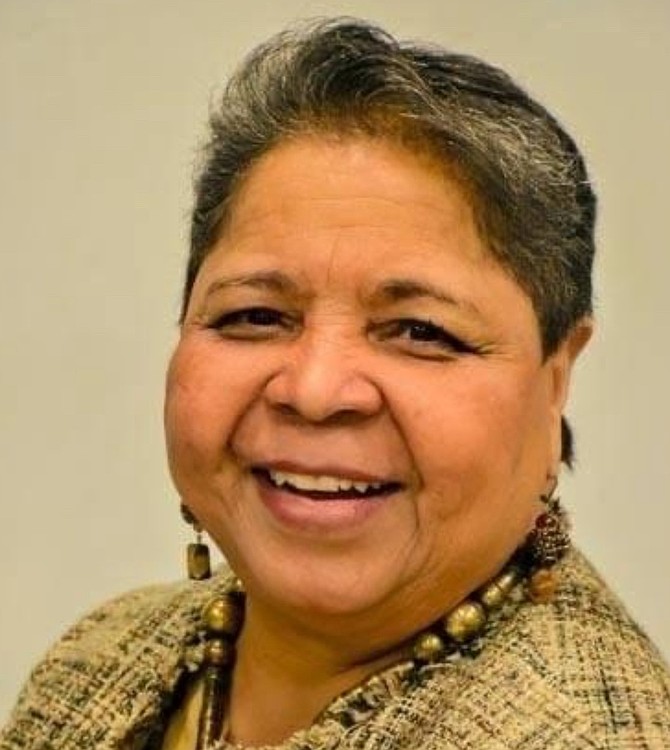
Bren Sheriff, CSA
THIS WEEK’S QUIZ: Does Medicare pay for hearing aids and routine dental visits?
Answer to last week’s quiz: Social Security Disability stops at Full Retirement Age (FRA) 66-67 currently. At FRA Social Security benefits begin.
For Questions or Help: 773-817-0601 or basheriff1@gmail.com
Disclaimer: The illustrations presented in this column are not, nor are they intended to be, legal, financial, or any other licensed professional advice, you should contact the licensed professional of your choice for advice on your individual situation.
Latest Stories
- Roseland Ceasefire Extends Help to Kankakee Tornado Victims
- Chicago Housing Authority (CHA) Board of Commissioners Approves Advancing Keith Pettigrew as Agency’s Next CEO
- VanderCook Hosts Its First Gala
- Poet And Lyricist’s Opera Set To Debut At Lyric Opera House
- Local Photographer Is Featured In Chicago Influencers Campaign
Latest Podcast
Everything politics