Your Legacy Is Richer Than You Think

Your Legacy Is Richer Than You Think
Many believe they will be remembered for what they owned—a house, a business, insurance, or a bank account. Yet when families gather—at repasts, reunions, holidays, or around the kitchen table—conversations rarely center on possessions. Instead, stories are shared, told and retold, bringing laughter, tears, and the warmth of memories coming alive.
During Black History Month, it is worth remembering that some of the richest history we know lives within our own families. These stories—joyful or painful—shape how we remember those we love. It may be their unselfish commitment, acts of courage, demonstrations of faith, or overcoming great obstacles. As we share these moments with children and grandchildren, we preserve the paths that brought our families to where they are today.
Through stories, we pass on more than memories. We pass on resilience, faith, hope, and love. We teach what was allowed, what was corrected, what was tolerated, and what was not. We give each generation a framework for understanding their role as heirs and as future builders of the family legacy.
Family legacy lives less in documents and more in daily demonstrations, preserved through stories. Everyone leaves something behind. A grandmother’s insistence that you say, “Yes, ma’am and no ma’am”. A father’s rule that respect governs his home or you can leave. A mother’s custom of being self sacraficial. Recipes passed down through loving hands. Few of these treasures are written, yet they endure. Long after people forget who inherited what, they remember how they were taught to live. These lived lessons form the richest inheritance any family can offer—and can become the building blocks the next generation will use to create legacies of their own.
Many of us grew up hearing stories about relatives long gone—filled with pride, humor, sacrifice, or victory. Very often, families share their stories when illness, death, or conflict forces the stories into the open. In those moments, grief is eased by certainty. People ask, “What would Mama have wanted?” or “What would Daddy have said?” The truth is, they already showed us—through actions, discipline, forgiveness, and perseverance. Those lessons were never labeled “legacy,” but they were legacy nonetheless as sung in an old hymn - Standing On the Promises.
Family stories are powerful tools for the present. Young people struggling today could draw strength from knowing others in their family endured hardship and survived. That knowledge brings perspective, courage, and hope. Each generation may feel alone, unaware of the resilience running through its bloodline. Sometimes, a single story can provide the strength to, in the words of Curtis Mayfield, “Keep On Pushing!”
Most families already possess a treasure trove of stories rooted in their family’s history of triumphs and tragedies. Sharing them reflects a tradition deeply embedded in African culture, where griots preserved lineage, values, and identity through oral storytelling. In many ways, our gatherings already serve this purpose—we simply may not recognize it.
Must family stories are not about money. They are about accountability, faith, courage, love, and sacrifice. Children inherit values not because we announce them, but because they observe them—watching whether promises are kept, elders respected, and integrity upheld. Cultural heritage is built through consistent behavior, remembered and repeated. These patterns are inherited as surely as the melanin in our skin.
Sharing family stories preserves moral memory. Families remember who showed up, kept their word, and stood firm in difficult times. When these stories are shared, younger generations learn that strength, dignity, and perseverance are part of their inheritance. Without that knowledge, families risk losing unity, clarity, and the ability to face hardship together.
Passing on legacy does not require wealth or speeches. It requires intention. When elders share family stories, they explain the “why” behind values and expectations. These stories teach without accusation, inspire without preaching, and allow the next generation to understand not only what matters, but why it matters—and how they can use these lessons to shape their own legacies.
Family stories do more than entertain. They teach wisdom, reinforce unity, and strengthen identity. They remind us that legacy is not defined by what we leave behind in money, but by character, faith, sacrifice, love and hope.
During Black History Month, gather and share your family’s stories. Preserve not only memories, but meaning. Remind future generations that they come from strength, perseverance, and purpose. When you share those stories, you will discover what was true all along: your legacy is richer than you think.
The best to you and yours,
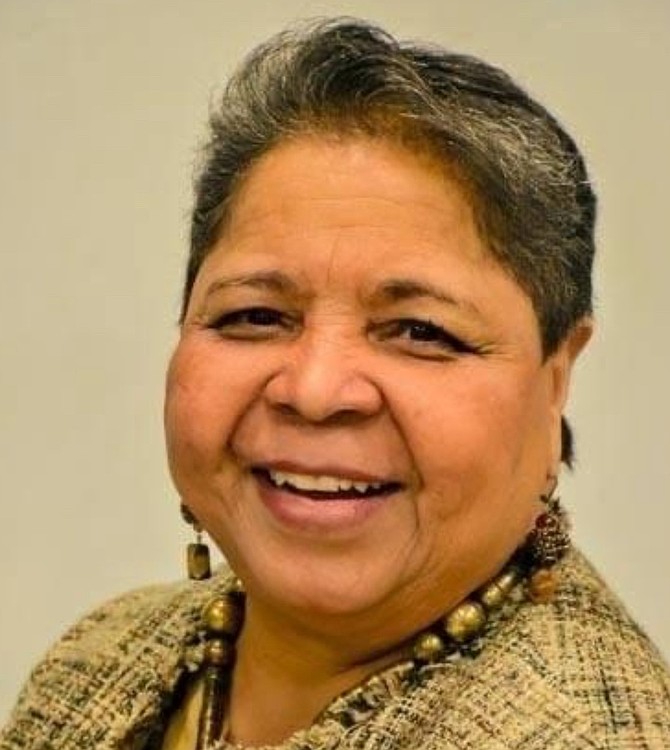
Bren Sheriff, CSA
THIS WEEK’S QUIZ: What types of assets can pass directly to your heirs outside of your will, and how does that happen?
Answer to last week’s quiz: A standard Power of Attorney typically becomes invalid if the person who signed it becomes incapacitated. A Durable Power of Attorney, however, remains in effect during incapacity. It is important to remember that all Powers of Attorney automatically terminate at death.
For Questions or Help: 773-817-0601 or basheriff1@gmail.com
Disclaimer: The illustrations presented in this column are not, nor are they intended to be, legal, financial, or any other licensed professional advice, you should contact the licensed professional of your choice for advice on your individual situation.
Latest Stories
- Black Contractors United Returns with Landmark Gala Honoring Congressman Danny K. Davis and Celebrating the Legacy of Larry Huggins
- Child Celebrity’s Kicks 2 Grow Foundation Helps Kids Step Forward With Confidence
- Former IEA President Reginald “Reg” Weaver, trailblazer for collective bargaining rights in Illinois, passes away at 86
- Final Illinois cannabis licensing case heads to court April 1; redacted identities could be revealed
- Commissioner Donna Miller Hosts Successful Community Blood Drive in Matteson
Latest Podcast
We Are Our Own Medicine