In Times Like These

In Times Like These
Let me speak plain for a moment. A lot of retirement advice sounds good on paper, but it does not always fit real life. Many folks in our Black communities did not retire with big stock portfolios or investment accounts. Instead, they are living on a pension, Social Security, and maybe a little savings tucked away for emergencies.
And right now, with wars overseas, prices rising, and the economy shifting, some people are asking a real question: How do we hold on and keep going when our income is fixed?
The truth is, you can still protect yourself. It just takes a few practical steps, some careful thinking, and a willingness to make a few changes where needed.
First, protect your monthly check like it’s gold.
If your main income is Social Security and a pension, those checks are your foundation. The first job is to protect them from anything that could drain them unnecessarily.
That means watching automatic payments, subscription services, and small charges that quietly add up. Sometimes money leaks out in ways we barely notice—streaming services, unused memberships, or extra phone features we do not really need.
In times like these, trimming a few monthly expenses can feel like giving yourself a small raise. Many people are surprised how much they are spending on things they do not use or will not miss. Once you spot those dollars, you can redirect them into savings.
Second, build even a small emergency cushion.
Now I know some people will say, “Bren, I don’t have money left over to save.” I understand that. But it still helps to look honestly at spending habits. Sometimes we buy what we want and then struggle to cover what we truly need.
Even putting aside a little at a time—ten dollars here, twenty dollars there—can slowly build a small safety net. It does not have to happen overnight.
What matters is having something set aside so when a surprise comes—a car repair, medicine, or a higher utility bill—you are not forced to reach for high-interest credit cards.
Slow money still adds up. Slow, but sho’ is the way to go..
Third, watch rising prices and adjust early.
In times of global tension, certain costs usually rise first: energy, food, and housing expenses. If retirees pay attention early, they can adjust before the pressure gets too heavy.
Some households are reviewing grocery habits, buying store brands, or shopping at stores where prices are lower. Others are checking energy use in the home—simple changes like sealing drafts or adjusting the thermostat can help lower bills.
Many stores also offer senior discount days. Planning your shopping around those days can save real money over time. Small changes may not feel big in the moment, but over the course of a year they can make a real difference.
Fourth, avoid new debt traps.
This is important right now. When times are uncertain, lenders often make borrowing sound easy and harmless. But high-interest credit cards and certain loans can quietly eat up a fixed income.
If someone is already carrying debt, the goal should be to reduce it slowly and avoid adding more whenever possible. Every dollar not paid in interest is a dollar that stays in your household.
Fifth, make sure you are receiving every benefit available.
Many retirees do not realize there are programs designed to help seniors during tough economic times. Some may qualify for property tax relief, utility assistance, prescription drug savings, or food programs.
There is no shame in using benefits you paid into over the years. These supports exist for moments like this—when prices rise faster than income.
Sometimes help is available, but people simply were never told about it.
Sixth, stay connected and share information.
One thing our communities have always done well is look out for each other. Churches, senior centers, and neighborhood groups often know about resources, food programs, or financial guidance that individuals might miss on their own.
In uncertain times, information can be just as valuable as money. A simple conversation with someone who has faced similar challenges can point you toward help you did not know existed.
Seventh, protect yourself from scams.
Whenever the world feels unstable, scammers start circling. They use fear about war, inflation, or government programs to trick retirees into giving away money or personal information.
If someone calls asking for urgent payments or changes to your benefits, pause first. Do not carry on long conversations with people you do not know. When in doubt, hang up and contact a trusted source directly.
You worked too hard for your money to lose it to someone running a scheme.
A closing word from the heart
Let me say this clearly: retirement is not only about how much money you saved. It is also about wisdom, patience, and community. Many people who built stability did it by being careful during uncertain times, not by chasing quick solutions.
If the world feels unsettled right now, remember this—steady habits still work. Watch expenses, avoid new debt, seek available help, and protect your income.
Our elders used to say, “A fool and their money are soon parted.”
And in times like these, that wisdom still holds strong.
The best to you and yours,
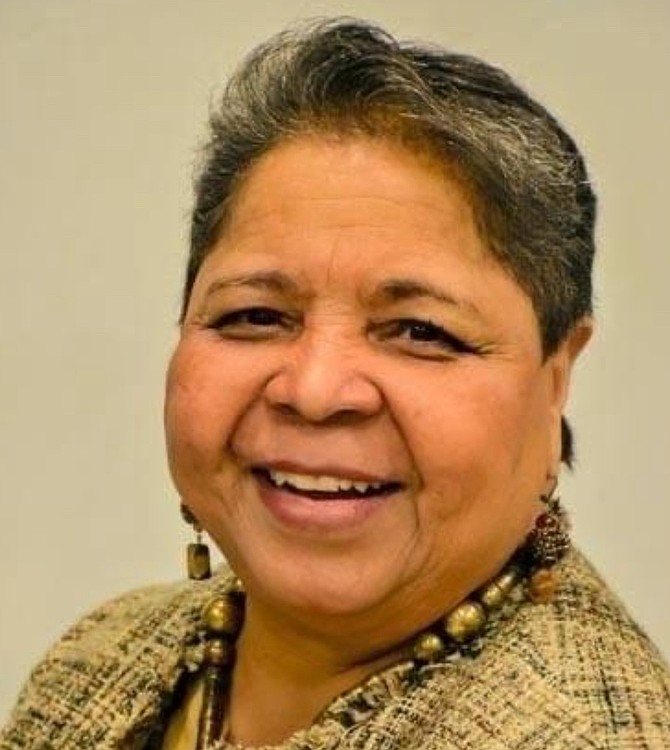
Bren Sheriff, CSA
THIS WEEK’S QUIZ: What is the Required Minimum Distribution (RMD) age for most traditional pension accounts?
Answer to last week’s quiz: In a General Partnership, all partners are liable for any debts incurred by the partnership. It makes no difference that all partners did not sign the contracts of indebtedness.
For Questions or Help: 773-817-0601 or basheriff1@gmail.com
Disclaimer: The illustrations presented in this column are not, nor are they intended to be, legal, financial, or any other licensed professional advice, you should contact the licensed professional of your choice for advice on your individual situation.
For Questions or Help: 773-817-0601 or basheriff1@gmail.com
Latest Stories
- Hazel Crest Hosts Women’s Day Celebration
- Playwright Wants Musical To Be A Call To Innocence And Community
- Bowie State University Joins National Effort to Strengthen Career-connected Learning and Work
- The Joseph Business School Continues To Cultivate Entrepreneurs
- South Side Run Club Celebrates 2nd Anniversary
Latest Podcast
We Are Our Own Medicine