Seasonal Affect Disorder: More Than Just The ‘Holiday Blues’
Seasonal Affect Disorder: More Than Just The ‘Holiday Blues’
By Tia Carol Jones
As the days get shorter in the winter months, people can experience Season Affective Disorder (SAD). It is a form of depression that can happen during the fall and winter months when there is less sunlight.
According to the Boston University, seasonal affective disorder (SAD) affects an estimated 10 million Americans, with women being four times more likely to be diagnosed than men. An American Psychiatric Association study reported that people in the Midwest were impacted the most by winter and 52% of Midwesterners said their mood changed in the winter months.
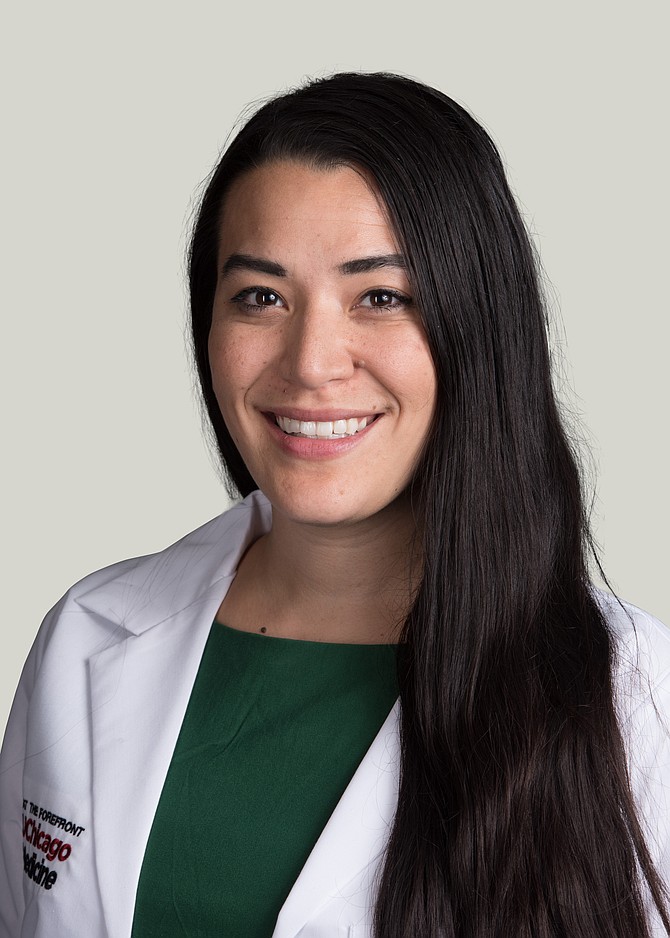
UChicago Medicine’s Dr. Carolyn Shima, works out of Ingalls Hospital in Harvey, Ill. and is an Assistant Professor of Adult Psychiatry at UChicago. Shima said that SAD is a psychological disorder that requires treatment and it is not just stress around the holidays or feeling more down. She said if people see changes in their activity levels, including changes in sleep patterns, inability to take care of themselves or their families, they should seek treatment for SAD.
Shima said some of the warning signs that people should look out for include feeling more down or depressed, having more anxiety, feeling overwhelmed or more emotional, changes in sleep and concentration, being more irritable, changes in appetite. She said with SAD, some people overeat, some people stop eating, some people oversleep, some people sleep less. She said treatment for SAD can include light therapy and a dawn simulation machine, as well as getting therapy. She said that getting outside and taking a walk, even when it is cold outside, to get some natural light every day is a good intervention.
The light therapy can simulate to brain the body’s natural circadian rhythm and it increases light exposure. Shima said that having a light that is at a 45-degree angle from your face for a few hours a day can help. The dawn machine simulates a natural sunrise and helps regulate the body’s internal clock.
“Part of what affects the strength of seasonal affective disorder (SAD), is that the changes in light are so different because of daylight savings time. We don’t get as much sunlight, it can affect your vitamin D, it can affect all sorts of things … The way that our eyes experience light is a little bit different during the wintertime,” she said.
Shima said that having someone to talk to like a therapist can also help. She said that in those therapy sessions, a therapist can help a person work on sleep hygiene, motivation to get out and do more daytime walks and more exercise. She said that if SAD becomes more serious, and that a person is meeting the full criteria for major depressive disorder, it can be something that requires treatment through medication. She said that having suicidal thoughts or thoughts that life is not worth living, is not typically a part of SAD and if a person is experiencing those symptoms, they should reach out to a mental health professional right away. At UChicago Medicine Ingalls Memorial, there is a 24-hour line that people can call to schedule a no-cost assessment.
Shima said that around the holidays, people can partake in more alcohol, which is a depressant, and that while it relaxes people in the moment, the long-term side effects include a depressant effect on the brain. She added that alcohol use and increase in substance abuse are certainly warning signs that things might be getting more serious and can make SAD and a depressive disorder worst. She said that watching screens late at night will negatively impact a person’s sleep and can make a person’s mood symptoms worst.
Shima said that one of the strongest things a person can do is ask for help. She wants people to know that they deserve good, quality care, for whatever is affecting their functioning. She said while people tend to separate it, mental health is a part of health. She said the whole person should be treated – the body and the mind.
Throughout the UChicago Medicine system, there are resources available, including cognitive behavioral therapy and intensive outpatient programs. For more information about UChicago Medicine and UChicago Medicine Ingalls Memorial, visit www.uchicagomedicine.org.
Latest Stories
- Final Illinois cannabis licensing case heads to court April 1; redacted identities could be revealed
- Marcus C. Evans Jr. Wins Democratic State Central Committee Seat, Expanding Leadership Role in the Illinois Democratic Party
- Yasmin Levy Brings “One More Night with Yasmin Levy” to Chicago on Her US Tour After 10 Years
- Developments Across McDonald’s cases Draw Attention to Franchise System Practices
- Clerk Mariyana T. Spyropoulos Hosts Women’s Safety Seminar to Equip Residents with Practical Safety Tools
Latest Podcast
We Are Our Own Medicine