Intel Redesigns Transistors For Faster Computers

by Jordan Robertson
SAN FRANCISCO (AP) - Intel Corp. said Wednesday that it has redesigned the electronic switches on its chips so that computers can keep getting cheaper and more powerful.
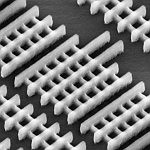
The switches, known as transistors, have typically been flat. By adding a third dimension fins that jut up from the base - Intel will be able to make the transistors and chips smaller. Think of how skyscrapers address the need for more office space when land is scarce.
The company said the new structure will let chips run on less power. That gives Intel its best shot yet at cracking the growing markets for chips used in smartphones and tablet computers. Intel has been weak there because its current chips use too much power.
Chips with the 3-D transistors will be in full production this year and appear in computers in 2012.
Intel has been talking about 3-D, or tri-gate, transistors for nearly a decade, and other companies are experimenting with similar technology. The announcement is noteworthy because Intel has figured out how to manufacture the transistors cheaply in mass quantities.
Transistors are at the center of the digital universe. They're the workhorses of modern electronics, tiny on/off switches that regulate electric current. They're to computers what synapses are to the human nervous system.
Transistors operate in the shadows, but they're integral to daily life. And they need to shrink, so that computers can get smaller and smarter.
Latest Stories
- Final Illinois cannabis licensing case heads to court April 1; redacted identities could be revealed
- Marcus C. Evans Jr. Wins Democratic State Central Committee Seat, Expanding Leadership Role in the Illinois Democratic Party
- Yasmin Levy Brings “One More Night with Yasmin Levy” to Chicago on Her US Tour After 10 Years
- Developments Across McDonald’s cases Draw Attention to Franchise System Practices
- Clerk Mariyana T. Spyropoulos Hosts Women’s Safety Seminar to Equip Residents with Practical Safety Tools
Latest Podcast
We Are Our Own Medicine